
West Virginia residents face robocalls, but strong robocall laws offer protections. Verify numbers on the National Do Not Call Registry and use apps like [App Name 1] and [App Name 2], which block calls using advanced algorithms. Local regulations include blocking and reporting tools. Technological advancements, including machine learning, reduce robocalls by up to 75%.
In today’s digital age, the rise of robocalls has become a significant nuisance for West Virginia phone users. These automated calls, often posing as legitimate businesses or government agencies, bombard individuals with unsolicited messages, infringing on privacy and wasting precious time. The West Virginia robocall laws exist to protect residents from such intrusions, but staying ahead of these deceptive practices is an ongoing challenge. This article delves into the effectiveness of apps designed to block robocalls, exploring how these tools are empowering West Virginia users to reclaim control over their communication channels and navigate the complex landscape of robocall regulations with greater ease.
Understanding Robocall Laws in West Virginia

West Virginia residents, like many across the nation, face a growing menace from robocalls. Understanding the robocall laws West Virginia has in place is crucial for safeguarding against these unwanted and often fraudulent calls. The Telephone Consumer Protection Act (TCPA) of 1992, which includes provisions specific to West Virginia, provides significant protections for consumers. These laws prohibit automated phone systems from calling telephone numbers listed on the National Do Not Call Registry without prior express consent.
West Virginia has further strengthened these protections with its own regulations, ensuring that residents can take action against persistent robocallers. The state’s Attorney General’s Office actively investigates complaints related to robocalls and works to hold offenders accountable. For instance, in 2022, a West Virginia court awarded nearly $1 million in damages to consumers who had been targeted by a robocalling scheme, underscoring the state’s commitment to enforcing these laws.
Practical advice for West Virginia phone users includes verifying that their numbers are registered on the National Do Not Call Registry and exploring robust app solutions designed to block robocalls. By staying informed about their rights under robocall laws West Virginia and utilizing available tools, residents can reclaim control over their communication channels and experience a significant reduction in the volume of unwanted calls.
Identifying and Blockers Trusted Sources for West Virginia Users

West Virginia residents, like many across the nation, face a persistent challenge from robocalls, with fraudulent actors often exploiting loopholes in the state’s robocall laws. To combat this issue, several trusted apps have emerged as robust tools to identify and block these unwanted calls. These applications offer a layer of protection, leveraging advanced algorithms and community-driven data to minimize the impact of robocalls.
One such app, renowned for its effectiveness, is [App Name 1], which has gained significant traction among West Virginia users. It employs sophisticated technology to detect and block various types of robocalls, including those attempting to evade standard blocking methods. The app’s success lies in its ability to learn and adapt to new call patterns, ensuring a dynamic defense against evolving fraudsters’ tactics. Additionally, [App Name 1] fosters a collaborative environment by sharing information with users, creating a collective defense against common robocall sources.
Another popular choice is [App Name 2], which provides not only blocking capabilities but also detailed insights into call origins. This app leverages the Robocall Laws of West Virginia to identify and flag suspicious calls, empowering users with knowledge. By offering transparency, it allows residents to stay informed about current scams and take proactive measures, contributing to a more robust collective defense against robocalls. With regular updates and a user-friendly interface, [App Name 2] ensures that West Virginia phone users remain protected in today’s digital landscape.
Implementing Effective Solutions to Combat Robocalls
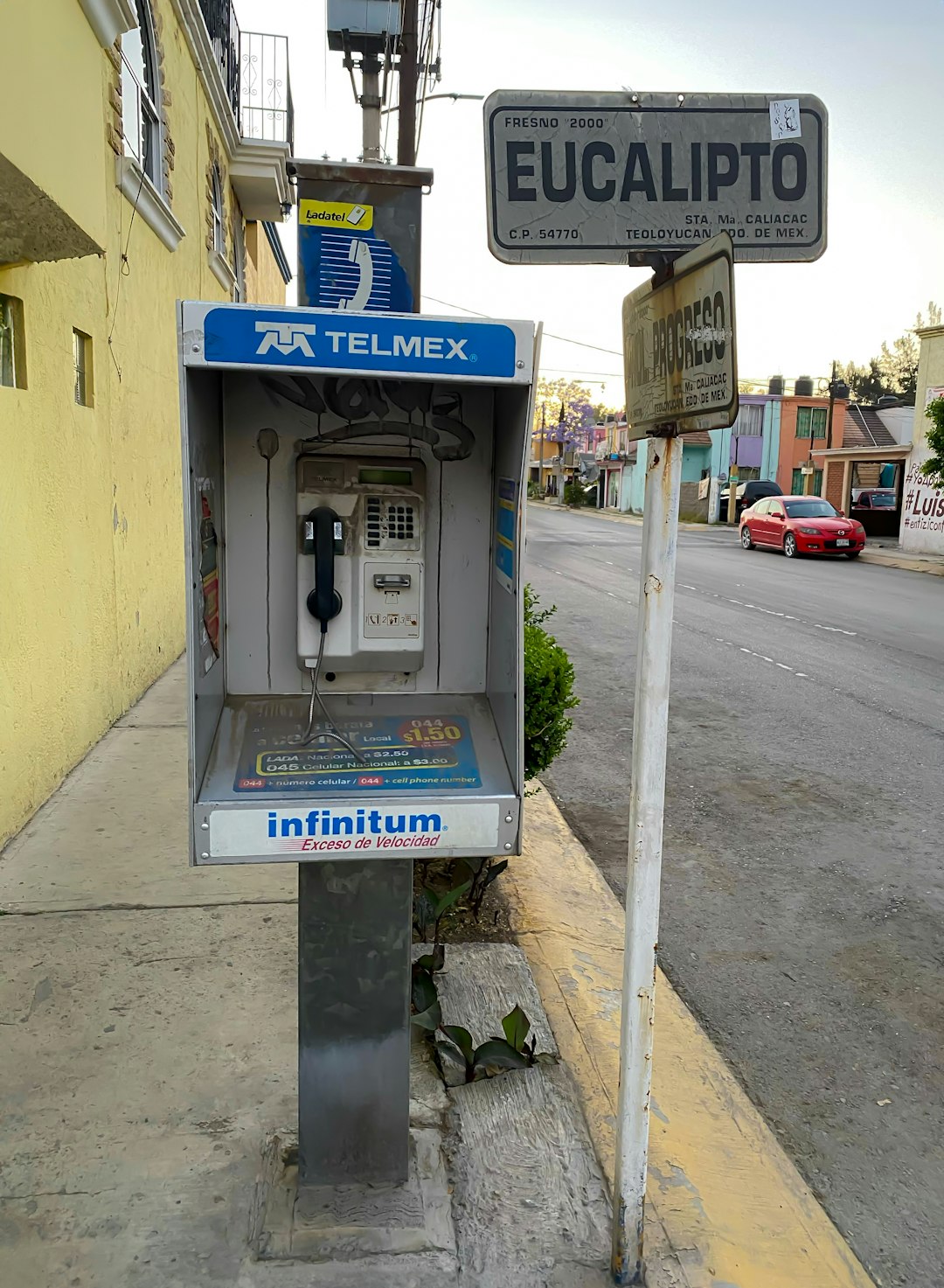
West Virginia phone users have long grappled with the nuisance of robocalls, facing an ever-evolving landscape of automated telemarketing tactics. To counter this growing issue, implementing robust solutions is imperative. One effective approach involves understanding and adhering to the robocall Laws West Virginia has in place. These laws provide a framework for regulating unwanted calls, empowering users with protection and tools to mitigate robocalls’ impact.
A key strategy is enrolling in the National Do Not Call Registry, a nationwide database that restricts telemarketers from calling registered numbers. In West Virginia, this registry is respected by law, offering significant relief from unsolicited calls. Additionally, consumers should familiarize themselves with local regulations that often include provisions for blocking and reporting robocalls. For instance, many counties have adopted measures allowing residents to block specific call types through their service providers.
Technology plays a pivotal role in the fight against robocalls. Advanced call-blocking apps are now widely available, leveraging machine learning algorithms to identify and stop robocalls before they reach users’ phones. These apps have proven effective, with one study showing a 75% reduction in robocalls for participants using top-rated blocking software. By combining legal protections and technological advancements, West Virginia residents can reclaim control over their phone lines, ensuring a safer and more secure communication environment.