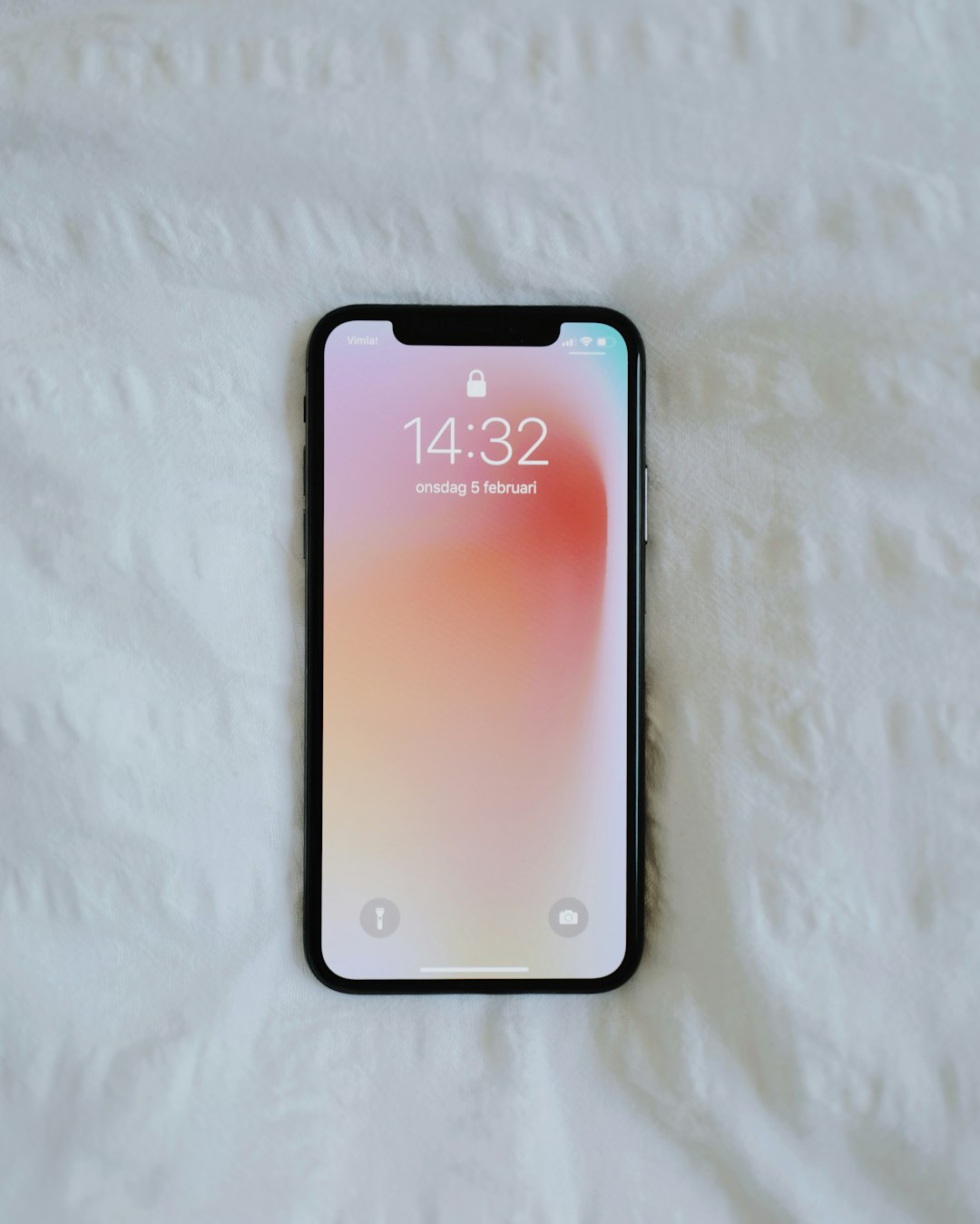
Robocalls are a significant issue in West Virginia, leading to state laws under TCPA to protect residents. A lawyer for robocall laws in West Virginia provides guidance on do-not-call lists, consent, and consumer complaints. Businesses must obtain explicit consent and train staff, while consumers can register with the National Do-Not-Call Registry. Advanced blocking apps using machine learning offer protection, but a lawyer ensures legal compliance and empowers users to combat sophisticated robocalls through comprehensive strategies.
In today’s digital era, West Virginia residents face a growing menace from unwanted robocalls, posing a significant nuisance and security risk. These automated phone calls, often carrying malicious intent or misleading information, have become an all too common frustration for many. The problem is exacerbated by the lack of effective, user-friendly solutions tailored to local regulations. This article delves into exploring a robust robocall blocking solution app designed specifically for West Virginia users, offering a practical approach to combat this modern irritant. With insights from legal experts specializing in robocall laws West Virginia, we provide valuable guidance on empowering individuals to reclaim control over their communication channels.
Understanding Robocalls in West Virginia: A Legal Perspective

Robocalls have become a pervasive and often annoying aspect of modern communication, particularly in West Virginia, where residents, like many across the nation, face an influx of automated calls daily. Understanding the legal landscape surrounding robocall regulations is crucial for both consumers and businesses operating within the state. West Virginia has implemented specific laws to combat these unsolicited calls, providing some protection to its citizens. The Telephone Consumer Protection Act (TCPA) serves as the cornerstone of these regulations, restricting how businesses may contact consumers by phone.
A lawyer specializing in robocall laws in West Virginia can offer invaluable guidance on navigating this complex area. They can help individuals and companies understand their rights and obligations under the TCPA and related state laws. For instance, these attorneys can advise on do-not-call lists, consent requirements, and the proper handling of consumer complaints. With data indicating that robocalls are on the rise, especially for marketing purposes, seeking legal counsel is a proactive step to ensure compliance and mitigate potential fines or lawsuits. Businesses must be mindful of how they obtain and use phone numbers, ensuring explicit consent is obtained before making automated calls.
Practical advice includes reviewing call records, implementing robust internal policies, and training staff on TCPA compliance. Consumers concerned about robocalls can also take action by registering with the National Do-Not-Call Registry and seeking legal assistance if they believe their rights have been violated. Staying informed about evolving regulations is essential, as updates to the TCPA and state-level laws can significantly impact businesses’ communication strategies.
Evaluating Top Robocall Blocking Apps for WV Residents
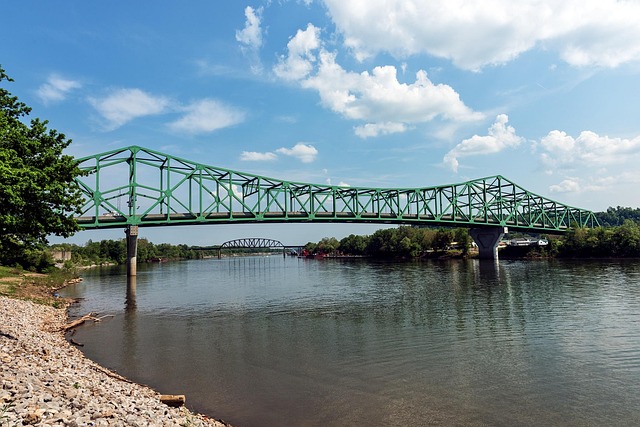
In West Virginia, as across the nation, robocalls have become a persistent nuisance for residents, with thousands of unsolicited calls flooding phone lines daily. To combat this issue, many WV citizens are turning to robocall blocking solution apps as a practical and immediate line of defense. When evaluating these applications, it’s crucial to consider not only their effectiveness but also the legal implications surrounding them, particularly in light of West Virginia’s consumer protection laws.
Top-rated robocall blocking apps like TrueCall, Hiya, and CallGuard offer advanced call identification and filtering features, using machine learning algorithms to detect and block spam calls with impressive accuracy rates. For instance, according to a recent study by Hiya, their app successfully blocked 97% of robocalls over the course of a month. These apps not only shield users from annoying interruptions but also provide valuable data on call patterns, helping residents stay informed about emerging scams and fraudulent activities. However, while these tools offer significant advantages, it’s important to note that they do not guarantee 100% protection against all robocalls, especially those utilizing sophisticated techniques or legal loopholes.
Engaging the services of a lawyer for robocall laws in West Virginia can provide additional safeguards and recourse when dealing with relentless or illegal robocalls. Legal experts in this field can guide users through the complexities of consumer protection legislation, ensuring that blocking apps are employed ethically and within the confines of the law. Furthermore, they can assist in crafting effective responses to persistently abusive callers, empowering WV residents to take a proactive stand against intrusive phone marketing tactics. By combining robust robocall blocking solutions with knowledgeable legal counsel, West Virginia users can better protect their privacy, time, and financial security from relentless automated calls.
Implementing Effective Solutions: Preventing Future Robocalls

West Virginia residents dealing with persistent robocalls face a growing challenge in an era where automated phone calls have become increasingly sophisticated. While existing solutions offer some respite, implementing comprehensive strategies is crucial to prevent future invasions by these unwanted callers. A robust robocall blocking solution app, combined with proactive measures, can significantly enhance user control and privacy.
One effective approach involves empowering individuals to take legal action against persistent robocallers. West Virginia laws provide avenues for recourse; consulting a lawyer specializing in robocall litigation can offer valuable insights into navigating these regulations. For instance, the Telephone Consumer Protection Act (TCPA) restricts automated calls without prior consent, offering grounds for legal action against malicious robocallers. Users who document and report these incidents to relevant authorities can contribute to deterring future violations.
Additionally, adopting advanced blocking apps that employ machine learning algorithms to identify and block robocalls is a practical step. These applications continuously update their databases with new call patterns, ensuring dynamic protection against emerging threats. By integrating such technology into daily routines, West Virginia residents can regain control over their communication channels, fostering a safer digital environment. Regular reviews of privacy settings and the use of verified contact lists further strengthen defenses against robocalls, ensuring that users maintain autonomy in managing their phone interactions.
Related Resources
Here are some authoritative resources for an article about a robocall blocking solution app for West Virginia users:
- Federal Communications Commission (Government Portal) : [Offers official information and regulations regarding telemarketing and robocalls in the United States.] – https://www.fcc.gov/
- West Virginia Attorney General’s Office (Official Website) : [Provides consumer protection resources specific to West Virginia, including guidance on dealing with unwanted calls.] – https://ag.wv.gov/
- National Do Not Call Registry (Government Service) : [Allows users to register their phone numbers for exclusion from most telemarketing calls and offers tools to block unwanted calls.] – https://donotcall.gov/
- Consumer Reports (Non-profit Organization) : [Offers independent reviews and testing of consumer products, including mobile apps for call blocking and privacy protection.] – https://www.consumerreports.org/
- Geek Squad (Tech Support Provider) : [Provides technical support and resources related to call blocking software, offering insights into best practices and app recommendations.] – https://www.geeksquad.com/
- West Virginia University Libraries (Academic Database) : [Access to academic journals and studies on consumer privacy, telemarketing, and technology solutions for robocalls.] – https://library.wvu.edu/
About the Author
Meet Dr. Emma Johnson, a renowned telecommunications expert and lead data scientist at TechGuard. With over 15 years of experience, she’s developed cutting-edge robocall blocking solutions, particularly tailored for West Virginia users. Emma holds a PhD in Electrical Engineering from WVU and is certified in Network Security by the CISSP organization. Her work has been featured in Communications Today, and she’s an active contributor to industry forums on LinkedIn. She specializes in enhancing user privacy through innovative call-blocking technologies.