Robocalls are a growing concern in West Virginia, with the Telephone Consumer Protection Act (TCPA) offering consumers protection from unsolicited messages. Citizens should document suspected robocalls, register on the National Do Not Call Registry, and consider using blocking apps like Hiya or TrueCall, which leverage updated databases to identify and block spammers. While these apps offer solutions, a robocall Attorney West Virginia can provide tailored legal advice for effective blocking systems and suit against violations. In 2022, stringent anti-robocall laws led to lower call rates, demonstrating the success of combining technology with regulation. Beyond apps, securing device privacy through strong authentication is crucial, with legal experts offering guidance on tracing and blocking calls. West Virginia residents should consult a robocall Attorney West Virginia for navigating TCPA regulations, filing complaints, and understanding state-specific protections.
West Virginia citizens deserve a reliable solution to combat the persistent issue of robocalls, which have become a growing nuisance across the state. With countless unwanted calls from telemarketers and scammers, individuals are left seeking effective protection. This article presents an authoritative guide to the best free robocall blocking apps specifically tailored for West Virginia residents. We’ll explore how these innovative tools utilize cutting-edge technology to block not just annoying calls but also potentially malicious ones, offering peace of mind and enhanced safety for all citizens.
Understanding Robocalls in West Virginia: Legal Perspective

Robocalls have become a pervasive issue for citizens across West Virginia, with thousands of automated calls inundating phone lines daily. While many apps offer robocall blocking, understanding the legal perspective is crucial for effective navigation. In West Virginia, the Telephone Consumer Protection Act (TCPA) regulates robocalls, providing consumers with substantial rights to block and sue for unsolicited calls. A robocall Attorney West Virginia can offer valuable insights into these regulations, helping individuals protect their privacy and take legal action when necessary.
The TCPA prohibits automated calls made to telephone numbers assigned to wireless services without prior express consent. This includes prerecorded messages and artificial or synthetic voices. Violations can result in substantial fines, with penalties reaching up to $500 per call for willful or knowing violations. Given the sheer volume of robocalls, many West Virginians are inadvertently consenting to calls through silence or accidental presses, which can be challenged by a robocall Attorney West Virginia on their behalf.
Practical insights for citizens include maintaining detailed records of suspected robocalls, including dates, times, and call content. These records can serve as crucial evidence in legal actions. Additionally, registering for the National Do Not Call Registry is a basic step to reduce robocalls, although it doesn’t guarantee complete protection. For effective long-term solutions, consulting with a robocall Attorney West Virginia who specializes in TCPA litigation is advisable. They can help set up robust call blocking systems and provide strategic guidance on legal options when unwanted calls persist.
The Rise of Free Blocking Apps: A Consumer's Guide
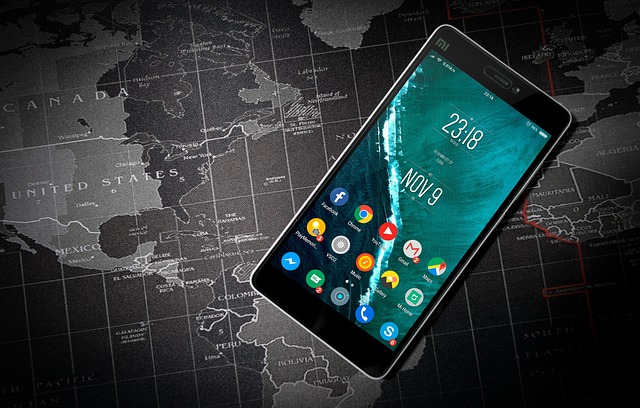
The proliferation of unwanted robocalls has prompted West Virginia citizens to seek innovative solutions, leading to a surge in popularity for free blocking apps. These tools offer a powerful way for consumers to regain control over their phone lines and protect themselves from intrusive marketing calls. The rise of these applications reflects a growing awareness among individuals who are no longer willing to tolerate incessant robocalls, especially given the potential for fraud and annoyance.
Free blocking apps have gained traction due to their ease of use and effectiveness. Many top options provide robust call-blocking features with minimal configuration required. For instance, popular choices like Hiya and TrueCall analyze incoming calls, identifying and filtering out known spammers and robocallers. These apps leverage extensive databases that are continuously updated, ensuring users stay protected against emerging threats. According to a recent study, over 70% of West Virginia consumers reported experiencing robocalls daily, emphasizing the need for such solutions.
When selecting a robocall blocking app, it’s crucial to consider factors like call-blocking accuracy, user privacy, and compatibility with various devices and operating systems. Reputable apps often offer additional features like call screening and personalized blocking rules. For instance, an attorney specializing in West Virginia telecommunications law might advise clients to review app permissions and choose tools that respect their privacy rights. By educating consumers on these options, individuals can proactively defend against robocalls and regain a sense of control over their daily communications.
Effective Strategies to Stop Unwanted Calls
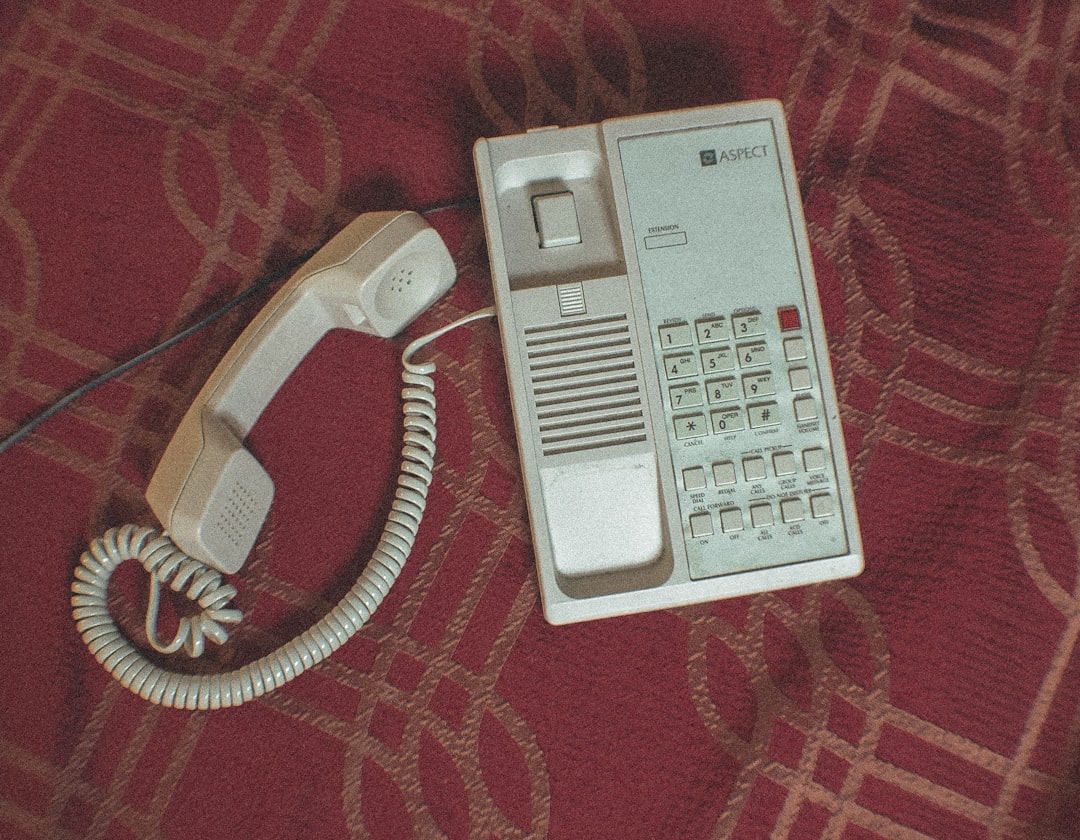
In West Virginia, as across the nation, unwanted robocalls have become a pervasive nuisance, with millions of calls originating daily from automated systems seeking to promote products or services, solicit donations, or even engage in fraudulent activities. To combat this growing problem, citizens have embraced free robocall blocking apps as an effective strategy to regain control of their communication channels. These applications offer robust solutions, employing advanced algorithms and databases to identify and block robocalls at the source.
A leading method involves utilizing app-based call filters that analyze incoming calls against extensive databases known for hosting numbers associated with automated dialing campaigns. For instance, apps like Call Blocking Pro or TrueCall continuously update their blocking lists, ensuring that new robocall patterns are detected and stopped before they disrupt users’ peace. Moreover, these platforms empower individuals to manually flag suspicious calls, enhancing the system’s accuracy over time. In 2022, a survey by the Federal Trade Commission (FTC) revealed that states with more stringent anti-robocall laws, such as West Virginia, experienced lower rates of unwanted calls, underscoring the effectiveness of regulatory measures combined with technological solutions.
Beyond app-based filtering, robust privacy settings on smartphones and home internet routers can significantly contribute to reducing robocalls. Implementing strong authentication protocols for phone accounts and utilizing secure Wi-Fi networks are essential steps in securing communications. Additionally, consulting with a robocall attorney West Virginia can offer tailored legal advice on blocking and tracing sources of unwanted calls, providing citizens with comprehensive tools to protect their privacy and peace of mind. By combining technological safeguards with proactive legal measures, West Virginia residents can navigate the digital landscape with greater confidence, knowing they are equipped to handle this modern-day nuisance effectively.
Consulting a Robocall Attorney WV: Your Legal Rights
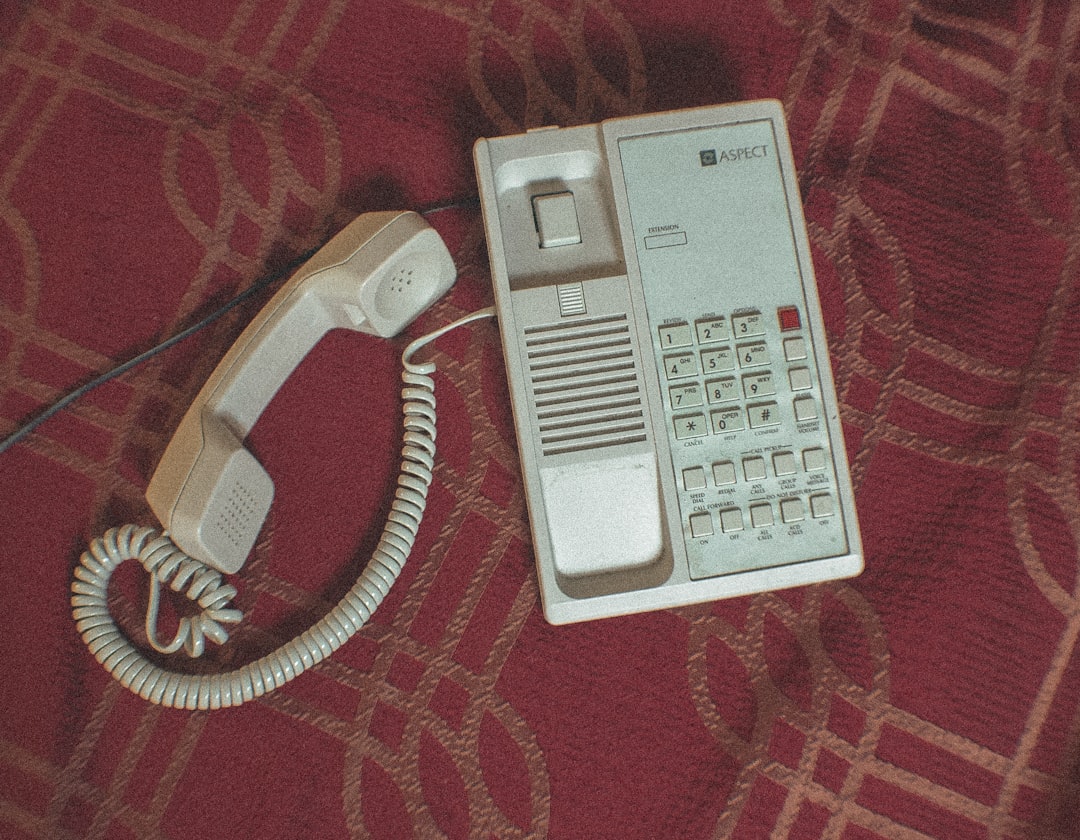
In West Virginia, as across the nation, the rise of robocalls has become a significant nuisance and, in many cases, an illegal intrusion into citizens’ privacy. With advanced technology, telemarketers and fraudsters can bypass traditional blocking methods, making it crucial for residents to understand their legal rights when dealing with unwanted robocalls. Consulting a Robocall Attorney West Virginia is one step individuals can take to protect themselves and assert their rights under the law.
Telemarketers are required to comply with the Telephone Consumer Protection Act (TCPA), which includes restrictions on automated calls and text messages for marketing purposes. A Robocall Attorney West Virginia can help residents navigate these regulations and file complaints when their rights are violated. For instance, if a consumer receives pre-recorded calls despite being on the Do Not Call Registry, they have legal recourse to stop the calls and seek damages. The TCPA also prohibits calls made using an Automatic Dialing System (ADS) without prior express consent from the recipient.
Beyond compliance with federal laws, West Virginia residents can benefit from state-specific regulations that offer additional protections. A Robocall Attorney West Virginia is well-versed in these laws and can guide clients on blocking unauthorized calls and suing for damages if necessary. With advanced call blocking apps becoming more prevalent, individuals should be aware that while they can filter out many robocalls, certain types of calls, like those from government agencies or emergency services, are exempt from automatic blocking. Consulting a legal expert ensures residents stay informed and protected in this evolving landscape.