
Spam calls remain a significant issue in West Virginia, prompting residents to seek legal solutions through the Spam Call law firm. The state adheres to federal TCPA regulations aimed at curbing unsolicited prerecorded calls from telemarketers or debt collectors. Key actions for residents include staying informed about rights, reviewing call logs, identifying suspicious numbers, reporting spam calls, and using advanced robocall blockers with machine learning algorithms. Regular updates and a multi-layered defense strategy ensure optimal protection under Spam Call law firm West Virginia regulations.
In today’s digital age, the rise of robocalls has become a pressing concern for West Virginia residents, with countless unwanted calls from telemarketers and scammers flooding phone lines. This deluge of spam calls not only disrupts daily life but also poses significant risks to personal privacy and security, especially as fraudsters employ sophisticated tactics to target vulnerable individuals. Navigating this complex landscape requires a robust solution that respects the rights of consumers under West Virginia’s Spam Call law firm while effectively blocking these intrusive calls. This article provides an in-depth guide to identifying and implementing the most effective robocall blocker for West Virginia users.
Understanding Spam Call Laws in West Virginia
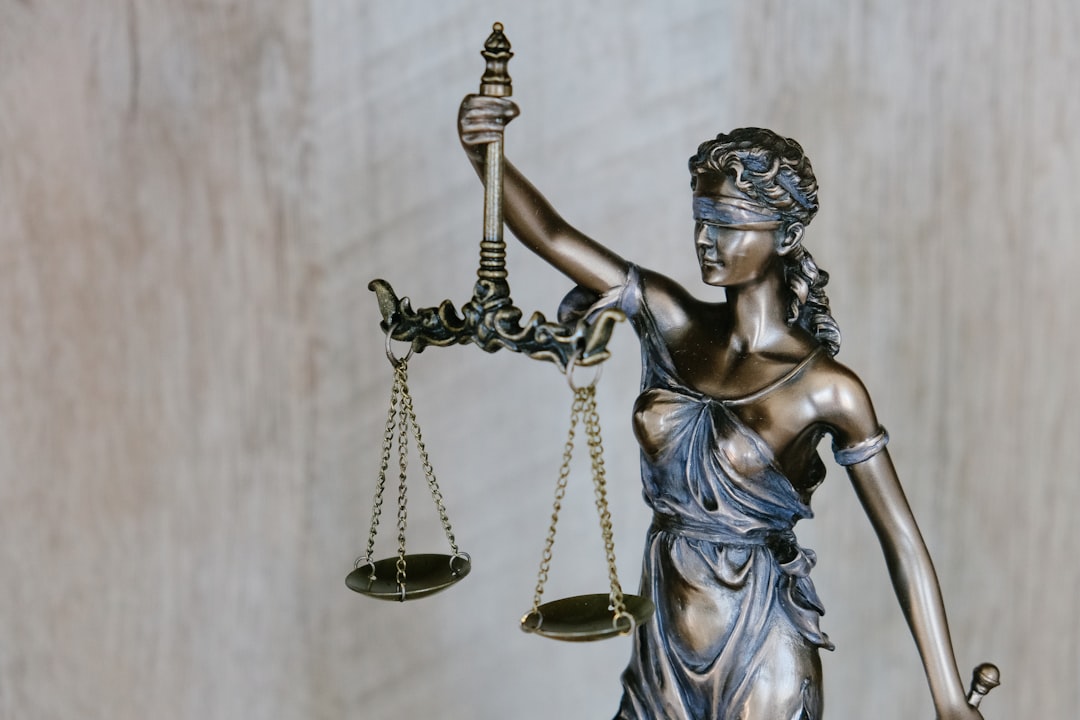
In West Virginia, as across the nation, spam calls remain a persistent nuisance for residents, leading many to seek effective solutions for blocking these unwanted intrusions. Understanding the legal framework behind these nuisance calls is paramount in combating this issue. The Spam Call law firm in West Virginia plays a crucial role in defending consumers’ rights and providing guidance on navigating the complexities of telephone consumer protection laws (TCPA). These laws, enforced by regulatory bodies like the Federal Communications Commission (FCC), aim to protect individuals from unsolicited, prerecorded calls that fall into categories like telemarketing or debt collection.
West Virginia’s implementation of the TCPA mirrors federal regulations, with specific provisions targeting spam calls. For instance, the law prohibits calls placed using an automatic dialing system or prerecorded messages without prior express consent from the recipient. Violations can lead to substantial penalties for call centers and businesses engaging in such practices. The Spam Call law firm in West Virginia assists residents by offering legal remedies against these offenses, including seeking damages, blocking future calls, and enforcing compliance with TCPA regulations.
Practical insights for consumers involve staying informed about their rights under the Spam Call law and taking proactive measures to protect themselves. This includes reviewing call logs, identifying suspicious numbers, and reporting spam calls to relevant authorities. By understanding the legal landscape and leveraging the expertise of a Spam Call law firm in West Virginia, residents can better defend against these nuisance calls and enjoy greater peace of mind.
Evaluating Robocall Blocker Solutions for WV Residents
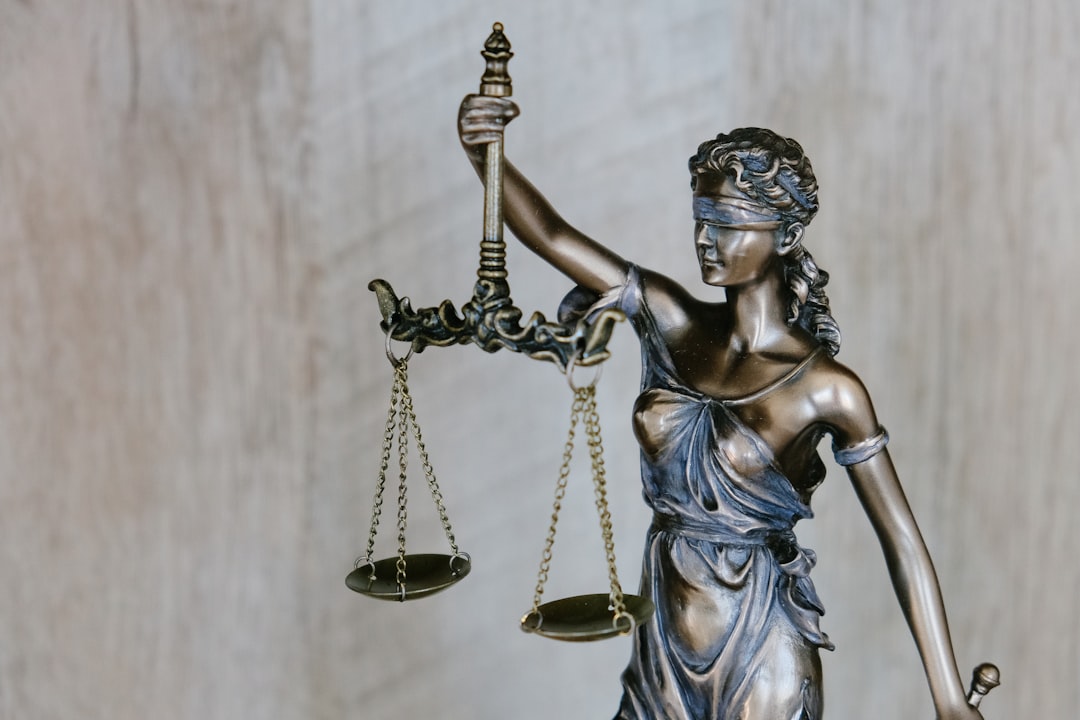
In West Virginia, as across the nation, robocalls have become a pervasive nuisance, with many residents facing an overwhelming number of unsolicited calls daily. This issue has prompted many to seek robust solutions, particularly with the implementation of the Spam Call law firm West Virginia regulations. To effectively combat this problem, WV users should consider implementing a reliable robocall blocker. Evaluating these solutions requires a nuanced understanding of current technologies and their compatibility with local legal frameworks.
One key aspect is recognizing that not all blocking applications are created equal. Advanced features such as machine learning algorithms, which adapt to new call patterns, offer superior protection compared to basic blocking tools. For instance, a high-quality robocall blocker should be able to identify and block spam calls from known telemarketers while also filtering legitimate business calls using advanced pattern recognition. This ensures that residents are protected without unduly hindering essential communications.
Moreover, users should assess the blocking system’s integration with existing communication platforms. A robust solution will seamlessly work with landlines, mobile devices, and VoIP services, providing a unified defense against robocalls across all channels. Additionally, regular updates and monitoring by the service provider are vital to keep up with evolving spamming tactics. By employing these strategies, West Virginia residents can reclaim control over their communication networks and leverage the Spam Call law firm West Virginia regulations to create a more peaceful and less disruptive environment.
Implementing and Maintaining an Effective Blocker

Implementing and maintaining an effective robocall blocker is paramount for West Virginia residents seeking relief from intrusive spam calls. The state’s stringent Spam Call law firm regulations necessitate a proactive approach, leveraging advanced technologies designed to identify and block unwanted callers. One of the most robust solutions involves utilizing specialized apps and software that employ sophisticated algorithms to analyze caller ID data, speech patterns, and known spam call databases.
Regular updates are crucial for these blocking mechanisms to remain effective. West Virginia’s dynamic regulatory environment ensures that new tactics employed by spammers are quickly identified and countered. Users should opt for blocklists that are community-driven and regularly updated, enabling collective intelligence to adapt to evolving spamer strategies. Additionally, integrating call screening features can provide early warning signs of potential spam calls, allowing users to dispose of these interactions promptly.
For optimal results, consider a multi-layered defense strategy. Employing a combination of hardware-based solutions (like advanced routers with built-in call blocking capabilities) and software tools can create an impenetrable barrier against robocalls. Regularly reviewing and updating settings within these applications is essential to ensure maximum protection as spammers continually refine their techniques. Engaging with reputable tech resources and staying informed about the latest spam call trends will empower West Virginia users to navigate the digital landscape with enhanced peace of mind.