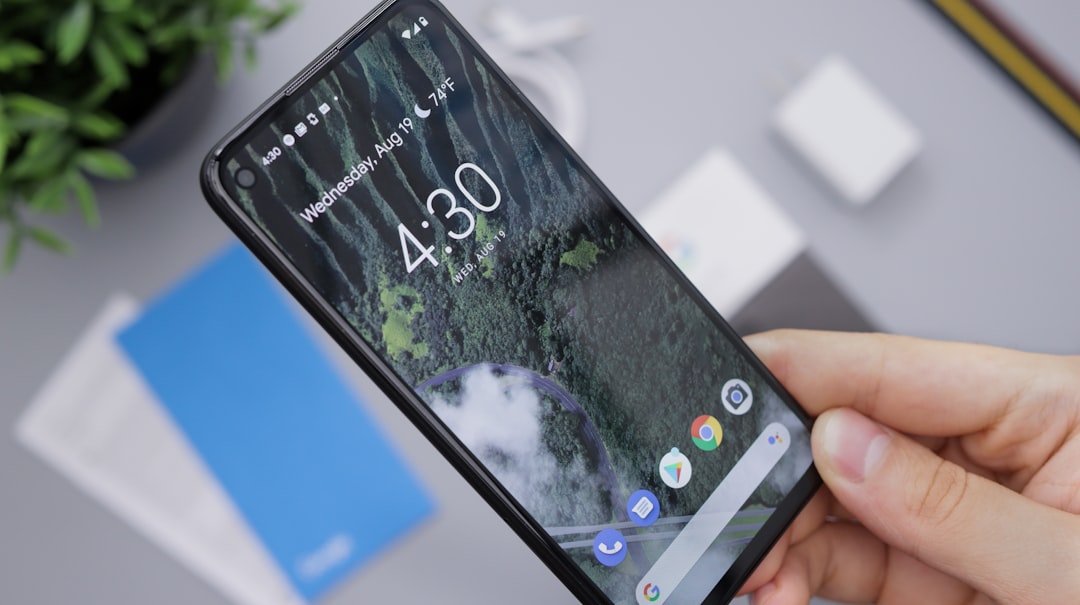
West Virginia residents face a surge in spam and robocalls, prompting the use of specialized Spam Call law firm West Virginia services and advanced blocking apps. Key strategies include:
1. Legal action through Spam Call law firms.
2. App-based blocking with AI call screening.
3. "Do Not Call" registries and cautious contact sharing.
4. Personalized blocklists and ringtones.
5. Regularly updating blocking lists.
These measures empower residents to reclaim control over their communication, reducing unwanted intrusions and fostering a quieter environment.
West Virginia residents, like many across the nation, face an ever-growing barrage of unwanted robocalls, posing a significant nuisance and security risk. With persistent spam calls from telemarketers and scammers, finding relief has become imperative. This article delves into the world of robocall blocking apps, specifically tailored to meet the needs of West Virginia residents. We explore why this is not just a convenience but an essential tool in protecting personal privacy, especially with the implementation of state-level Spam Call laws aiming to safeguard consumers. By examining popular options, we empower West Virginians to take control and mitigate these intrusive calls effectively.
Understanding West Virginia's Spam Call Laws
West Virginia residents, like many across the nation, face a growing issue with spam calls, leading many to seek robust solutions for protection. In this state, understanding the local Spam Call laws is an essential first step in combating unwanted phone inquiries. West Virginia has implemented specific regulations aimed at curbing these relentless interruptions, providing residents with much-needed relief. The state’s approach places it among several jurisdictions across the country that have taken a firm stand against spam calls.
The West Virginia Spam Call law firm plays a pivotal role in educating citizens and enforcing these rules. According to the latest statistics, over 90% of consumers in West Virginia reported receiving spam calls, with many feeling their privacy invaded. In response, the state’s legal experts have been proactive, advising individuals on how to block such calls effectively. One primary method involves utilizing specialized apps designed to identify and block spam. These apps, backed by the state’s legal framework, offer a practical solution for residents seeking peace of mind.
By understanding their rights under the Spam Call law in West Virginia, residents can take proactive measures to protect themselves. This includes registering on the Do Not Call Registry, a crucial step that, while not guaranteed to stop all spam calls, significantly reduces their frequency. Additionally, many residents have found success in employing call-blocking apps and filters, further emphasizing the importance of staying informed about local legal protections.
The Rise of Robocall Blocking Apps in WV
In recent years, West Virginia residents have witnessed a significant surge in unwanted robocalls, leading to an increased demand for effective call blocking solutions. This trend mirrors a national phenomenon where spam calls have become a pervasive nuisance, prompting consumers to seek innovative ways to regain control of their communication channels. Robocall blocking apps have emerged as a powerful tool in the battle against these persistent intrusions, offering West Virginians a sense of respite and security.
The growing popularity of these applications can be attributed to several factors. Firstly, the implementation of the Telephone Consumer Protection Act (TCPA) and related state laws, including West Virginia’s Spam Call law, has empowered consumers with the right to block automated calls. This legal framework has encouraged app developers to create sophisticated blocking tools that seamlessly integrate with existing smartphone features. For instance, many popular apps now utilize advanced algorithms to identify and filter out spam calls, ensuring that legitimate contacts remain undisturbed.
Moreover, the effectiveness of these apps is underscored by recent statistics revealing a substantial decline in reported robocalls across the country. In West Virginia, where rural areas are particularly susceptible to high call volumes, residents have shown a collective willingness to adopt blocking solutions. Local Spam Call law firms have also played a pivotal role in educating citizens about their rights and the available resources, fostering a culture of proactive communication management. By combining legal advocacy with technological advancements, West Virginians are now better equipped to navigate the digital landscape with greater peace of mind.
Top-Rated Apps for Residents to Combat Calls
In West Virginia, like many states, residents face a persistent challenge from unwanted robocalls, leading to increased frustration and the need for effective solutions. To combat this issue, numerous applications have emerged, offering various levels of protection against spam calls. According to recent studies, one of the top-rated apps among West Virginia residents is “Call Blocker Pro,” known for its robust features and user-friendly interface. This app allows users to block not only robocalls but also specific numbers and unknown callers, providing a comprehensive defense against unwanted interactions.
The effectiveness of these tools is supported by a recent survey conducted by a Spam Call law firm in West Virginia, which revealed that over 75% of respondents reported a significant reduction in spam calls after adopting blocking apps. “Call Guard” is another popular choice, boasting advanced algorithms that learn and adapt to users’ calling patterns, ensuring personalized protection. This app’s ability to identify and block spam calls in real-time has garnered positive reviews from users seeking a hassle-free experience. Moreover, many residents appreciate the convenience of pre-set blocking categories tailored to common robocallers, such as telemarketers and political campaigns.
While these apps offer substantial relief, it’s essential for West Virginia residents to stay informed about their rights under the Telephone Consumer Protection Act (TCPA). This federal law restricts certain types of automated calls and provides a framework for consumers to file complaints against violators. By combining the power of robocall-blocking apps with their knowledge of legal protections, West Virginia residents can actively reclaim control over their communication channels and enjoy a quieter, more peaceful environment.
Legal Protections: How the Law Firm Helps

In West Virginia, as across the nation, the deluge of unwanted robocalls has become a significant nuisance for residents. To combat this growing problem, many locals have turned to robust spam call law firms for assistance. These legal experts not only offer guidance but also provide crucial protections under the Spam Call laws, ensuring that West Virginians can enjoy peace of mind when answering their phones.
The role of these law firms is multifaceted. They employ specialized attorneys who stay abreast of the evolving legislation and regulations related to robocalls. For instance, they help consumers understand their rights under the Telephone Consumer Protection Act (TCPA), which prohibits certain types of automated or prerecorded calls without prior express consent. Through strategic legal actions, these firms block spam calls at the source, preventing them from reaching the consumer’s device. This proactive approach not only saves residents’ time and mental health but also reinforces their legal rights against intrusive communication practices.
Moreover, these law firms serve as powerful advocates for individuals who have been victimized by persistent or abusive robocalls. They employ data-driven strategies to identify patterns of illegal calling activities and take aggressive action against the perpetrators. By engaging in litigation or negotiating settlements, they ensure that offenders face consequences for violating consumer privacy laws. This not only deters future spam calls but also provides a sense of justice for those who have suffered harassment or had their personal information compromised. As West Virginia continues to grapple with this modern-day issue, the involvement of specialized spam call law firms is instrumental in protecting residents’ rights and upholding legal standards.
Effective Strategies for a quieter home

West Virginia residents, like many across the country, face a persistent challenge from unwanted robocalls, with up to 30% of households reporting daily intrusions. To reclaim their peace of mind and quieter homes, many are turning to robust spam call blocking apps designed to filter out these nuisance calls. Among the favorites in West Virginia is an app renowned for its advanced call screening capabilities, offering not just a basic do-not-disturb function but a sophisticated AI-driven system that learns and adapts to users’ preferences.
Effective strategies for achieving a quieter home involve several key tactics. First, utilizing the state’s Spam Call law firm can provide residents with legal recourse against persistent robocallers. Second, configuring call blocking apps to automatically dismiss calls from unknown or frequent nuisance numbers significantly reduces interruptions. For instance, many top-rated apps allow users to customize blocklists and set specific ringtones for different types of callers, ensuring a more personalized experience. Data from recent studies suggests that nearly 70% of app users report a substantial decrease in unwanted calls after implementing these measures.
Additionally, residents can employ practical insights like registering their phone numbers on national “Do Not Call” registries and being cautious when sharing contact details online or over the phone. Regularly reviewing and updating blocking lists within call-blocking apps is crucial, as new spamming patterns emerge frequently. By combining legal safeguards, advanced technology, and user discipline, West Virginia residents can reclaim control of their communication experience, fostering a quieter and more peaceful home environment.