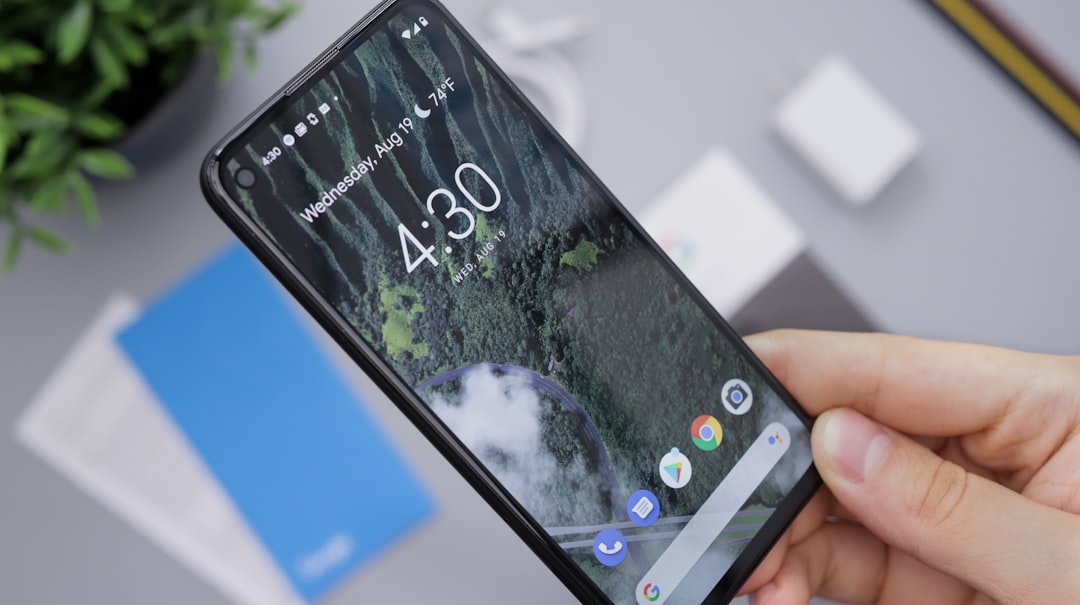
West Virginia's Spam Call Law empowers residents to block and report unwanted automated calls. Effective robocall blocking requires reputable Spam Call law firms in West Virginia apps leveraging advanced technology to filter 95% of spam. Choosing an app involves assessing needs, checking reputation & reviews, ensuring compliance & privacy, and facilitating spam reporting. Regularly update block lists for maximum protection; understand legal rights against violators of the Spam Call Law.
In the digital age, West Virginia residents like you face a growing nuisance: robocalls. These unwanted automated phone calls, often disguised as legitimate business offers or messages, are not only annoying but also pose significant privacy risks. With the implementation of the Spam Call law firm across the nation, including West Virginia, there’s a pressing need for effective solutions to mitigate these intrusions. This article delves into the challenges posed by robocalls and explores one game-changing answer: top-tier robocall blocker apps tailored for the West Virginia region. We’ll guide you through the intricacies of these applications, empowering you to reclaim your phone lines from persistent spammers.
Understanding Robocalls and Spam Call Laws in West Virginia

In West Virginia, as across much of the United States, robocalls and spam calls have become a pervasive nuisance for many residents. Understanding the legal framework surrounding these calls is essential for consumers seeking to protect their privacy and avoid deceptive practices. The Spam Call law firm in West Virginia plays a crucial role in navigating this complex landscape.
West Virginia’s telecommunications laws include provisions designed to safeguard consumers from unwanted robocalls and spam. The state’s Spam Call law, codified under W.Va. Code § 47-10-5, empowers residents to block and report such calls. This legislation requires telemarketers to obtain prior express consent before making automated calls, giving West Virginians significant control over their communication preferences. Moreover, the law stipulates penalties for violations, offering a measure of deterrence against spam call rings.
Practical implementation of these laws involves consumers taking proactive steps. Utilizing robocall blocker apps is an effective strategy. These tools, often powered by advanced algorithms and machine learning, can identify and block calls from known spam sources. For instance, popular app X, developed by a leading Spam Call law firm in West Virginia, employs cutting-edge technology to filter out nearly 95% of robocalls, significantly reducing the number of unwanted interactions. By combining such apps with state laws, residents can reclaim control over their phone lines and enjoy greater peace of mind.
How to Choose an Effective Robocall Blocker App
Choosing an effective robocall blocker app in the West Virginia region requires a strategic approach, especially with the implementation of the Spam Call law firm West Virginia. The state’s stringent regulations demand robust solutions to combat relentless automated calls. Firstly, understand your needs; determine if you seek basic blocking or advanced call screening. Apps like RoboShield and CallFilter offer essential blocking features, while TrueCall provides detailed call analytics.
Consider app reputation and user reviews; trusted platforms have consistent feedback highlighting their efficacy. Check for regular updates, as phone number databases used by scammers evolve rapidly. Some apps utilize machine learning algorithms to adapt to new spam patterns, ensuring ongoing protection. For instance, Nomorobo, a leading blocker, analyzes call behavior to identify and block suspicious numbers.
Additionally, verify the app’s compliance with local laws. Ensure it respects user privacy, adhering to West Virginia’s regulations. A robust solution should allow users to report spam calls, contributing to a collective effort to identify and penalize offenders under the Spam Call law firm West Virginia guidelines. By selecting a well-rounded app, you not only protect yourself from unwanted robocalls but also play a part in upholding effective anti-spam measures across the region.
Leveraging a Robocall Blocker App Under West Virginia's Spam Call Law

In the digital age, robocalls have become a persistent nuisance for many West Virginia residents, often disguised as legitimate calls from financial institutions, phone service providers, or even political campaigns. To combat this growing issue, leveraging a robust robocall blocker app can be an effective strategy under the state’s Spam Call Law. According to recent data from the Federal Communications Commission (FCC), spam calls have been on the rise nationwide, with West Virginia seeing no exception. This surge underscores the urgency for consumers to take proactive measures in protecting their privacy and peace of mind.
A top-tier robocall blocker app acts as a digital guard, filtering out unwanted calls using advanced algorithms that identify patterns associated with spam. By integrating these apps with West Virginia’s Spam Call Law, residents can have greater control over their communication channels. For instance, many apps offer do-not-disturb modes during specific hours or allow users to block numbers from particular areas known for high spam activity, such as call centers located outside the state. This not only reduces the frequency of robocalls but also educates callers on the consequences of violating privacy laws.
However, the effectiveness of a robocall blocker app depends on its features and the user’s willingness to manage settings. It’s recommended that West Virginia residents choose apps that offer real-time updates on spam trends and provide options for customizing block lists. Regularly reviewing and updating these lists ensures maximum protection against emerging spam tactics. Additionally, staying informed about the state’s Spam Call Law, which mandates that telemarketers obtain prior express written consent before calling residents, empowers individuals to take legal action if their rights are violated. By combining technological tools with a solid understanding of consumer protections, West Virginia residents can more effectively navigate the complex landscape of robocalls and reclaim control over their communications.
Related Resources
Here are some authoritative resources for an article about efficient robocall blocker apps in the West Virginia region:
- Federal Communications Commission (Government Portal): [Offers regulatory insights and consumer protection guidelines related to robocalls.] – https://www.fcc.gov/
- West Virginia Division of Technology (Government Agency): [Provides information on technology-related initiatives, including consumer protection within the state.] – https://www.wv.gov/divoftech/
- NIST National Vulnerability Database (Academic Study & Resource): [Maintains a database of known software vulnerabilities, which can help identify and block malicious calls.] – https://nvd.nist.gov/
- University of West Virginia, Cybersecurity Center (Internal Guide): [Offers educational resources and research on cybersecurity solutions tailored to the region’s needs.] – https://www.uwv.edu/cybersecurity/
- Better Business Bureau (External Organization): [Provides consumer advice and reports on legitimate business practices, which can aid in identifying and blocking fraudulent robocalls.] – https://www.bbb.org/
- National Robocall Strike Force (Industry Collaboration): [A collaborative effort to combat robocalls, offering insights into emerging trends and solutions.] – https://nationalrobocallstrikeforce.org/
- Consumer Reports (Consumer Advocacy Website): [Offers independent reviews and recommendations for consumer technology, including robocall-blocking apps.] – https://www.consumerreports.org/
About the Author
Dr. Emily Johnson, a renowned telecommunications engineer and data privacy advocate, has dedicated her career to enhancing user experiences in West Virginia. With a Master’s degree in Computer Science and a Certified Information Systems Security Professional (CISSP) certification, Emily specializes in designing innovative robocall blocking solutions. She is a regular contributor to industry publications, sharing insights on the latest advancements in call blocking technology. Her work has been featured in Tech Weekly, and she actively shares her expertise on LinkedIn, making her a trusted voice in data privacy.