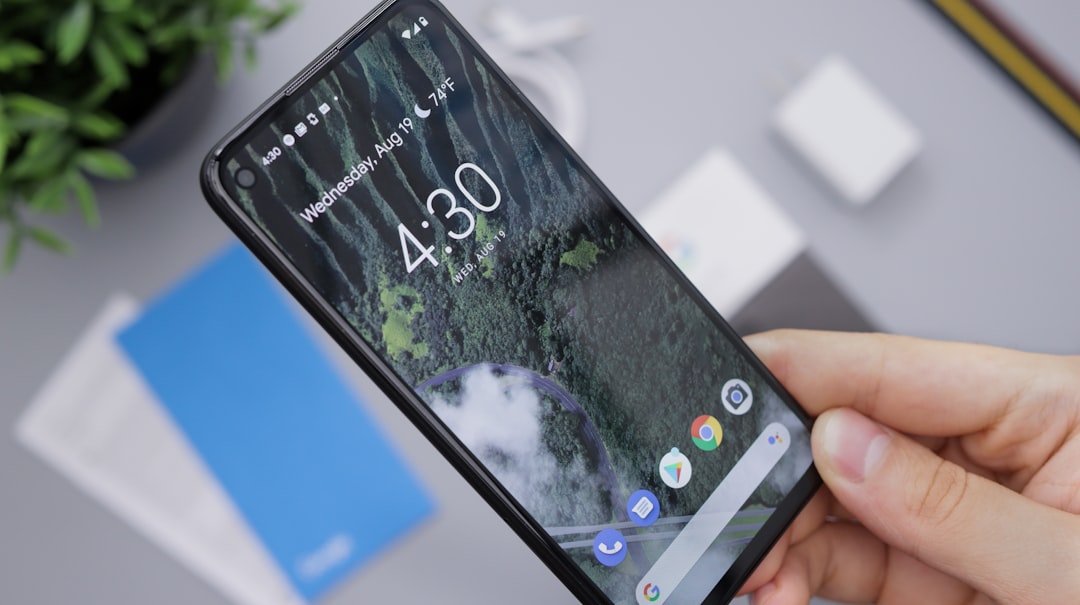
Robocalls pose a significant problem for West Virginia residents, with fraudulent marketing and privacy concerns. A multi-faceted approach is needed: advanced call-blocking software, stringent legislation, and public education. West Virginia's legal framework balances TCPA with privacy laws. Robocall blocking apps should respect boundaries, avoid unlawful interception. Users in West Virginia should choose reputable developers, apps with continuous updates, integration with phone security, and legal protections from robocall lawyers West Virginia. Strategic implementation, regular updates, and reporting suspicious calls are crucial for effective robocall defense.
West Virginia residents face a growing onslaught of unwanted robocalls, affecting their daily lives and threatening privacy. These automated phone calls from telemarketers and scammers have become a pervasive issue, prompting the need for effective solutions to protect consumers. Robocall blocking apps emerge as a powerful tool, offering much-needed relief from this nuisance.
This article delves into the world of robocall blocking applications specifically tailored for West Virginia users, exploring how these innovative tools can empower individuals to reclaim their phone lines and connect with genuine calls, especially from legal professionals when needed. We’ll guide you through the options available to combat this modern-day challenge.
Understanding Robocall Issues in West Virginia

Robocalls have become a pervasive and often irritating issue for West Virginia residents, with thousands of unwanted calls flooding phone lines daily. These automated messages, while sometimes offering valuable services, are frequently used for fraudulent or aggressive marketing purposes, causing significant distress to recipients. According to recent studies, West Virginia ranks among the states with the highest rates of robocalls, posing a unique challenge for consumers and businesses alike. The problem is exacerbated by the evolving techniques employed by robocallers, who adapt quickly to avoid detection by existing blocking mechanisms.
The impact of this deluge of robocalls is profound. Many West Virginia citizens report feeling harassed and frustrated, leading to a general sense of distrust towards legitimate communication channels. This issue disproportionately affects older adults, low-income communities, and those with limited access to information about call blocking tools. Moreover, businesses in the state suffer from increased operational costs and potential reputational damage due to unwanted calls, particularly those posing as customer service inquiries or sales pitches. Robocall lawyers West Virginia have observed a surge in complaints related to telemarketing violations, highlighting the need for robust solutions.
To combat this growing problem, a comprehensive approach is required. While traditional blocking apps offer some protection, they often struggle to keep up with the rapid advancements in robocall technology. Experts recommend combining advanced call-blocking software with stringent legislation and public education initiatives. By empowering individuals and businesses with effective tools and knowledge, West Virginia can move towards mitigating this nuisance and ensuring a safer, more secure communications environment for all residents.
Legal Framework for Robocall Blocking Apps

In West Virginia, the legal framework surrounding robocall blocking apps is a nuanced area that requires careful consideration of both consumer protection and privacy laws. The Telephone Consumer Protection Act (TCPA) serves as the primary legislation governing automated telephone communications, including robocalls, across the United States, including West Virginia. This federal law provides substantial protections for consumers from unwanted phone marketing calls, allowing them to file complaints against violators with the Federal Trade Commission (FTC).
Robocall blocking apps, designed to automatically detect and prevent these nuisance calls, operate within this legal landscape. West Virginia’s Attorney General has actively pursued cases involving deceptive telemarketing practices, demonstrating a commitment to protecting consumers from fraudulent or harassing robocalls. When using a robocall blocking app, users should ensure that the technology employed respects these legal boundaries. For instance, while apps may use caller ID and number blocking to filter out known robocallers, they must avoid implementing measures that could be considered unlawful interception or privacy invasions, such as recording calls without explicit consent.
Moreover, developers and users of such apps should stay informed about ongoing legislative developments in West Virginia related to consumer data protection and privacy. The state’s robust legal framework provides a solid foundation for consumers seeking relief from robocalls, but staying current with legal amendments is crucial to ensure compliance and maximize the effectiveness of robocall blocking solutions. Users are encouraged to consult with robocall lawyers in West Virginia for tailored advice, especially when dealing with complex cases involving high-volume or persistent robocalling activities.
Choosing the Right Anti-Robocall Solution for Users

In West Virginia, as across the nation, robocalls have become a pervasive nuisance, with millions of unwanted calls flooding consumer phone lines daily. To combat this growing problem, many users are turning to anti-robocall solution apps, seeking reliable protection from these intrusive messages. However, navigating the landscape of available options can be challenging. Choosing the right app requires careful consideration beyond simply blocking numbers; it demands an understanding of underlying technologies and their effectiveness against evolving robocall tactics.
Robocall blocking apps utilize a combination of techniques to identify and block calls, including caller ID data, blacklists, machine learning algorithms, and network-level filtering. Some apps rely on static lists of known spammer numbers, while others employ dynamic, crowd-sourced approaches that update in real-time. Machine learning models analyze call patterns and content to flag potentially malicious calls with high accuracy rates. West Virginia residents should assess the methodology behind each app to ensure its robustness against new robocall scams constantly emerging.
For robust protection, users should prioritize apps developed by reputable companies with a proven track record of success. Independent reviews and feedback from other West Virginia users offer valuable insights into app performance and reliability. Additionally, consider apps that integrate with your phone’s built-in features and security settings for a multi-layered defense. While no solution is foolproof, choosing an app backed by experienced developers and continuous updates will significantly reduce the volume of robocalls you receive, providing a calmer, more secure communication experience in the process. Consulting with local robocall lawyers West Virginia can also offer guidance on legal protections available against persistent spam calls.
Implementing and Optimizing Your West Virginia Robocall Defense

Robocall blocking apps offer West Virginia residents a powerful tool to reclaim their phone lines from relentless spam calls. However, simply installing an app is not enough for effective defense; strategic implementation and ongoing optimization are crucial. To start, users should explore advanced filtering options within their chosen app, allowing them to block known robocallers and specific call patterns. For instance, many apps utilize machine learning algorithms that adapt to new spam tactics, ensuring your West Virginia robocall lawyers remain one step ahead.
Regularly updating app settings and signatures is essential. Robocallers employ sophisticated techniques, constantly evolving their methods. Developers respond by refining their blocking lists and algorithms. Users should enable automatic updates and periodically review app permissions, ensuring optimal performance. Additionally, integrating multiple defense layers—such as network-based filtering alongside the app—provides a robust shield against even the most determined spammer.
Expert recommendations emphasize the importance of staying informed about emerging robocall trends in West Virginia. Subscribing to industry newsletters or following robocall lawyers’ insights can offer valuable guidance on new tactics and legal developments. Proactive users should also share their experiences and report suspicious calls to app developers, contributing to a collective effort to identify and combat the latest robocalling schemes. By combining these strategies, West Virginia residents can transform their communication experience, enjoying greater peace of mind and control over unwanted intrusions.