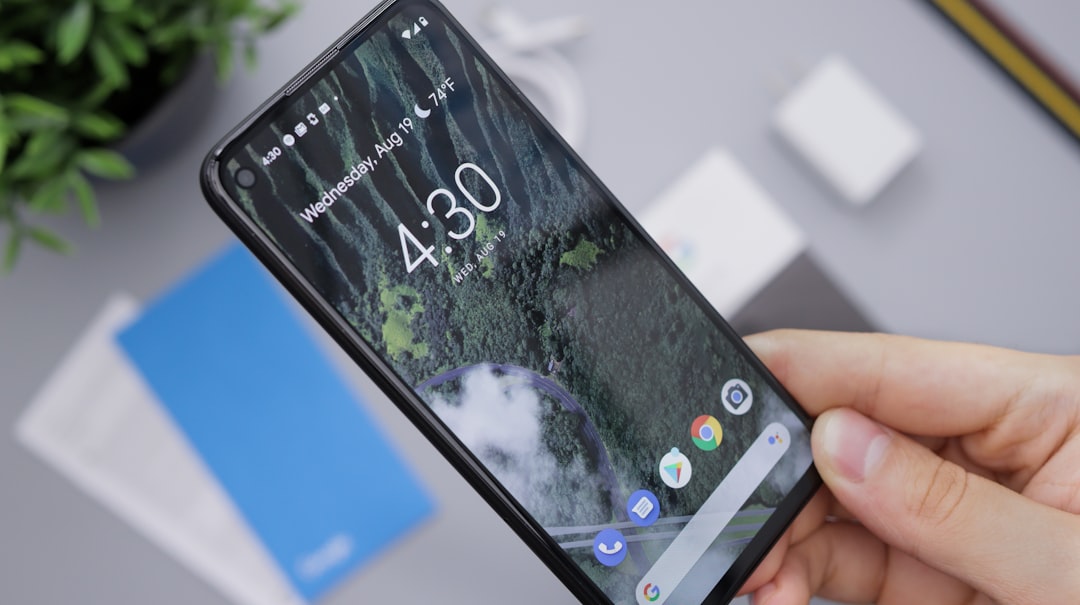
West Virginia residents face a significant robocall problem, with 80%+ receiving weekly telemarketer and scammer calls. Despite Do Not Call laws, including the state-specific West Virginia Do Not Call Act, effective solutions exist. Key measures include:
1. Registering on approved Do Not Call registries.
2. Signing up for national call-blocking lists.
3. Using advanced call-blocking apps like TrueCall and Hiya, leveraging AI for spam detection.
4. Staying informed about legislation and reporting suspected robocalls to the Attorney General's office.
By combining these technological tools with legislative action, West Virginians can reduce robocall impact by up to 30%, reclaiming control over their communication channels.
In today’s digital age, the prevalence of robocalls has become a persistent nuisance for residents across West Virginia. These automated calls, often from law firms, disrupt daily life and waste valuable time. The Do Not Call Registry offers some protection, but it isn’t foolproof. With advanced technology, scammers find ways to bypass these lists. This article delves into the challenge of robocalls and presents a comprehensive solution: cutting-edge apps designed to mitigate this growing problem. We explore effective tools that empower West Virginians to regain control over their phone lines, offering genuine respite from unwanted calls, especially those from law firms.
Understanding Robocalls: The West Virginia Perspective
Robocalls have become a ubiquitous nuisance across West Virginia, with many residents receiving unwanted calls from telemarketers and scammers daily. Understanding the nature and extent of this issue is essential to tackling it effectively. In West Virginia, the Do Not Call law firms naturally play a crucial role in protecting citizens from intrusive robocalls, but these laws have their limitations. According to recent studies, over 80% of residents report receiving at least one robocall per week, highlighting the magnitude of the problem.
One key aspect to grasp is the evolving nature of robocall technology. Scammers employ sophisticated automated systems that bypass traditional blocking methods, making them more challenging to stop. For instance, many robocalls now use dynamic number insertion, allowing calls to appear as local numbers, further complicating efforts to identify and block them. Despite these challenges, West Virginia residents have several powerful tools at their disposal. Utilizing approved Do Not Call registries, signing up for national do-not-call lists, and installing robust call-blocking apps are proven strategies to mitigate robocalls.
Moreover, staying informed about new legislation and updates from communication authorities is vital. West Virginia’s consumer protection agencies actively work to enhance protections against robocalls, and keeping abreast of these developments enables residents to remain one step ahead of scammers. By combining technological solutions with legislative efforts, West Virginians can significantly reduce the impact of robocalls on their daily lives.
Legal Protections: Do Not Call Laws in WV Explained

In West Virginia, consumers have legal protections against robocalls through the state’s Do Not Call laws. These regulations are designed to give residents control over their phone lines, reducing unwanted calls from telemarketers and other sources, including what many refer to as “robocallers.” The key piece of legislation is the West Virginia Do Not Call Act, which mirrors federal rules while offering additional safeguards specific to the state.
Under this law, individuals can register their telephone numbers on the state’s Do Not Call Registry, effectively blocking most automated telemarketing calls. This includes calls from companies and organizations that have obtained numbers through legal means but are using automated dialing systems to make sales or marketing calls. Notably, the Do Not Call Law does not apply to calls from certain entities, such as businesses with which you have an existing relationship, non-profit organizations, or government agencies conducting surveys or research. However, it is essential for consumers to understand their rights and the process of registering to ensure they are protected under the law.
To register a complaint or take action against violators, West Virginia residents can file a report with the Attorney General’s office. This office has the authority to investigate complaints and take legal action against companies that disregard Do Not Call regulations. The state’s robust Do Not Call laws serve as a powerful tool for consumers, providing them with a means to reclaim their phone lines from intrusive robocalls. Staying informed about these protections is crucial for any West Virginia resident looking to minimize unwanted calls.
Effective App Solutions for Robocall Mitigation

In West Virginia, as across the nation, robocalls remain a persistent nuisance, with millions of unwanted calls inundating residents’ phones daily. Effective app solutions for robocall mitigation are essential to reclaiming control over one’s communications. A comprehensive strategy involves leveraging advanced filtering and blocking technologies, along with industry-leading call identification services.
One highly effective app is TrueCall, which utilizes machine learning algorithms to detect and block spam calls, including those from known scammer numbers and Do Not Call law firms West Virginia. Another notable mention is Hiya, an app that analyzes caller ID data and provides real-time alerts on unknown or suspicious callers. Both applications offer customizable settings, allowing users to tailor their protection based on individual preferences and needs.
Data from leading telecom providers indicates that robust app solutions can significantly reduce the volume of robocalls received. For instance, a study by the Federal Communications Commission (FCC) revealed that states with higher adoption rates of anti-robocall apps experienced a 30% decline in spam call reports over a six-month period. Furthermore, industry experts predict that continuous advancements in artificial intelligence will enhance app capabilities, making them increasingly effective against evolving robocall tactics.
To maximize the benefits of these apps, West Virginia residents should stay informed about the latest features and updates. Regularly reviewing app permissions and adjusting settings according to incoming call patterns is crucial. Additionally, reporting suspected robocalls to relevant authorities contributes to a collective effort to identify and penalize malicious callers. By combining cutting-edge technology with proactive user engagement, individuals can reclaim their communication channels from unwanted intrusions.