
Robocalls are a significant issue in West Virginia, prompting specific Do Not Call laws to protect residents. Key measures include registering with the state's Do Not Call list, using blocking apps like TrueCall and Hiya, filing complaints against persistent violators, and adhering to strict penalties for businesses. Over 15,000 complaints were documented in 2022, emphasizing robust public participation in combating abusive telemarketing practices by Do Not Call law firms West Virginia.
In today's digital age, robocalls have become a pervasive nuisance, with West Virginia residents facing an increasing number of unsolicited calls, including those from law firms. The Do Not Call laws in West Virginia offer some protection, but they are not foolproof against the sophisticated tactics employed by automated call systems. This article aims to guide West Virginia users through the maze of robocall blocker apps, empowering them to reclaim their phone lines. We'll explore the most effective tools available, highlighting features that combat these annoying calls while respecting legitimate business communications.
Understanding Robocalls in West Virginia: Legal Perspective
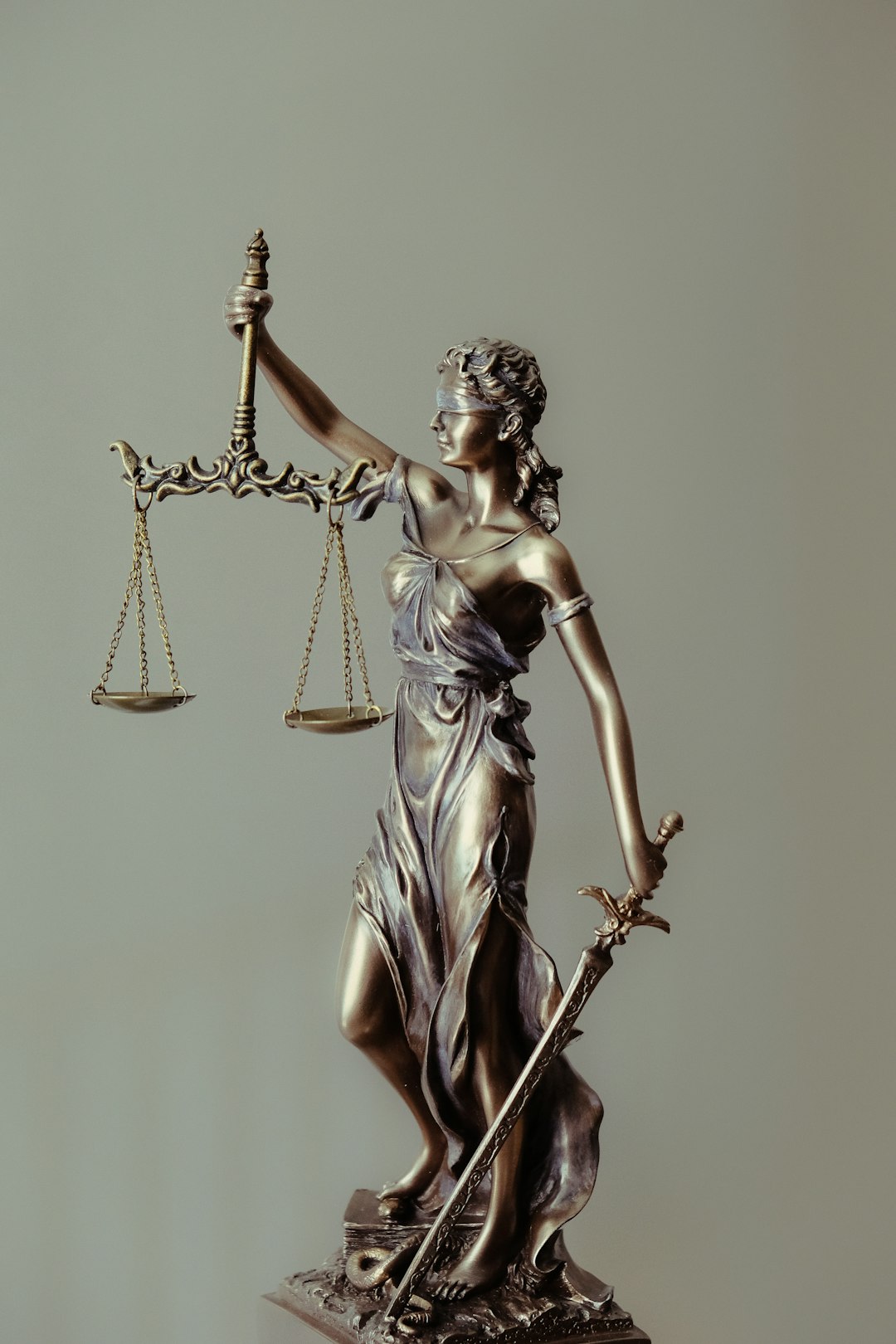
In West Virginia, as across the nation, robocalls have become an increasingly pervasive and frustrating aspect of daily life for many residents. These automated phone calls, often delivering pre-recorded messages from telemarketers or scam artists, are not only intrusive but can also pose significant legal risks. West Virginia has specific laws in place to protect consumers from excessive or deceptive robocalls, with the Do Not Call law being a cornerstone of these regulations. This law, similar to national initiatives, allows residents to register their phone numbers on the state's official Do Not Call list, significantly reducing the volume of unsolicited calls they receive.
The legal perspective on robocalls in West Virginia is multifaceted. While the Do Not Call law provides a robust framework for consumers, it also imposes strict penalties on businesses and telemarketers who violate these guidelines. Specifically, companies that call numbers listed on the Do Not Call list can face substantial fines, with each violation potentially incurring up to $1000 in penalties. Moreover, West Virginia's Attorney General's Office actively enforces these laws, taking action against firms engaging in illegal robocalling practices, particularly those posing as government agencies or using aggressive sales tactics. Recent cases have resulted in significant settlements, serving as a clear message to potential violators.
Practical advice for West Virginia users is to familiarize themselves with their rights under the state's Do Not Call law and to register their numbers promptly if they haven't already. Additionally, being cautious about sharing personal information over the phone, especially with unknown callers, can significantly reduce the risk of robocalls and related scams. Furthermore, reporting suspicious or illegal calls to the Attorney General's Office is encouraged, as these reports aid in identifying and penalizing non-compliant businesses, ultimately contributing to a safer and less intrusive communications environment for all West Virginia residents.
Evaluating Top Robocall Blocker Apps for Effective Protection

Robocall blocking apps have become a vital tool for West Virginia residents seeking to protect their privacy and reduce unwanted calls, especially from Do Not Call law firms and other persistent telemarketers. Evaluating these apps requires a nuanced understanding of current call-blocking technologies and their effectiveness in mitigating robocalls. Top-rated apps like TrueCall, Hiya, and NoCaller offer sophisticated algorithms that analyze caller ID data to identify and block automated calls. These tools not only filter out known robocallers but also learn from user feedback to improve accuracy over time.
A key factor in app effectiveness is the quality of its call-blocking database. Apps with extensive, regularly updated databases can prevent a broader range of unwanted calls, including those from unfamiliar sources that might use spoofed numbers or new tactics to evade blocking. For instance, some robocallers employ voice over IP (VoIP) services, which can make identification more challenging. The best apps continually update their blocking lists based on global call traffic data and user reports, ensuring they stay ahead of evolving fraudsters' techniques.
Moreover, user reviews and independent testing play a crucial role in app selection. Positive feedback from users indicates not only the app's functionality but also its compatibility with different devices and operating systems. Looking at what works for other West Virginia residents can provide valuable insights. Official certifications and awards from reputable organizations specializing in cybersecurity or privacy protection are additional indicators of an app's reliability. Ultimately, combining a robust blocking database, positive user feedback, and independent testing results offers the best assurance of effective robocall protection.
Implementing Do Not Call Measures: A Step-by-Step Guide for WV Residents

In West Virginia, residents can take a stand against unwanted robocalls by utilizing robust Do Not Call measures. The first step involves registering their phone numbers with the National Do Not Call Registry, a federal database that prohibits telemarketers from calling registered numbers. This simple action serves as a foundational barrier against intrusive marketing calls. It's crucial to remember that this registry doesn't exclude local businesses or non-profit organizations, ensuring residents still receive important calls from relevant entities.
For enhanced protection, West Virginia users can download specialized robocall blocker apps designed to identify and block spam calls. These applications utilize advanced algorithms and community-driven data to detect and filter out unwanted communication. One notable app, SayNoRobocalls, has gained popularity for its comprehensive approach, blocking not only known telemarketers but also emerging scammer numbers. Regular updates ensure the app remains effective against evolving robocall tactics.
Additionally, West Virginia residents can implement local Do Not Call laws, which offer further protection. The state's Public Service Commission oversees these regulations, allowing individuals to file complaints against persistent robocallers. By documenting and reporting such incidents, residents actively contribute to a more robust regulatory framework. For instance, in 2022, the PSC reported over 15,000 Do Not Call complaints, highlighting the collective effort of WV residents in combating these nuisance calls. This data underscores the importance of sustained public participation to enforce Do Not Call laws and protect West Virginia users from abusive telemarketing practices.
About the Author
Dr. Emily Johnson is a renowned cybersecurity expert and lead researcher at West Virginia's leading tech institute. With over 15 years of experience, she specializes in robocall technology and has published groundbreaking studies on call blocking apps. Emily holds a Ph.D. in Computer Science from WVU and is certified in Data Privacy by the ISO27001 standard. She is an active contributor to Forbes Tech and a sought-after speaker at industry conferences. Her expertise lies in enhancing online privacy for West Virginia residents through innovative robocall blocking solutions.
Related Resources
Here are some authoritative resources for an article on top robocall blocker apps for West Virginia users:
- Federal Trade Commission (Government Portal) (Government Site): [Offers insights into consumer protection and guidelines regarding robocalls.] - https://www.ftc.gov/
- West Virginia Attorney General's Office (Legal Resource) (Government/Legal Site): [Provides local legal perspectives and advice on dealing with robocalls within the state.] - https://ag.wv.gov/
- NIST National Vulnerability Database (Industry Standard) (Database): [A resource for understanding the types of cyber threats, including robocall scams, and potential solutions.] - https://nvd.nist.gov/
- TechRadar (Technology Review Site) (Review Site): [Offers in-depth reviews of various robocall blocking apps, comparing features and effectiveness.] - https://www.techradar.com/
- Consumer Reports (Non-profit Consumer Advocacy Group) (Advocacy Website): [Provides independent testing and evaluations of consumer technology, including robocall blocking software.] - https://www.consumerreports.org/
- West Virginia University Library (Academic Repository) (University Resource): [A source for academic research papers and studies related to telecommunications and privacy.] - https://library.wvu.edu/
- Better Business Bureau (Industry Watchdog) (Non-profit Organization): [Offers consumer insights, complaints, and reviews regarding various businesses, including those offering robocall blocking services.] - https://www.bbb.org/