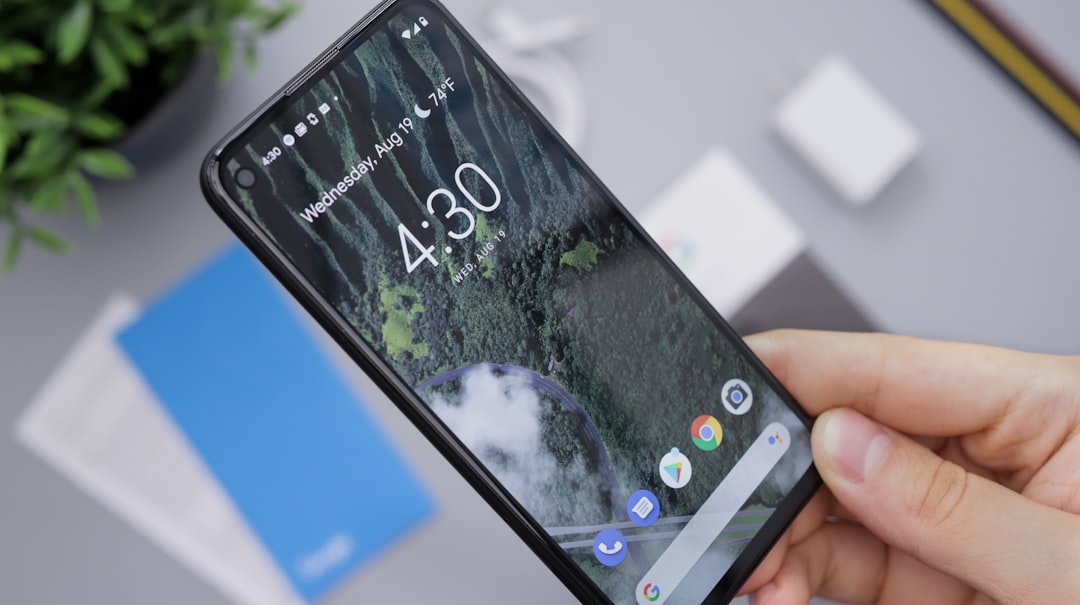
West Virginia residents are battling a surge of unwanted robocalls, prompting the use of call-blocking apps. These apps leverage machine learning, user feedback, and the state's Spam Call law firm regulations to filter and block fraudulent calls. Top options like TruthFinder, NoCall, CallBlock, and Nomorobo offer advanced blocking, privacy, and security features. To maximize protection, users should customize settings, update block lists regularly, and utilize call screening with AI assistants. By combining app technology and legal safeguards from the Spam Call law firm West Virginia, residents can reclaim control over their communication channels and protect their digital well-being.
In the digital age, West Virginia residents, like many across the nation, face an increasing barrage of unwanted robocalls, often disguised as legitimate business offers or scam attempts. This persistent nuisance has led to a growing need for effective solutions, particularly with the implementation of the Spam Call law firm regulations. Amidst this challenge, consumers seek reliable tools to regain control of their communication channels. This article delves into the world of robocall blocking apps, specifically tailored to meet the unique needs of West Virginia residents, offering an authoritative guide to alleviating this modern-day frustration and navigating the complexities of the new Spam Call law firm regulations.
Understanding West Virginia's Spam Call Laws

West Virginia residents, like many across the country, face an increasing number of unwanted robocalls, leading many to seek effective solutions. In this battle against intrusive spam calls, understanding the state’s Spam Call laws is a crucial first step. West Virginia has implemented robust regulations aimed at protecting consumers from annoying and deceptive telemarketing practices, offering some relief for those tired of these persistent intruders.
The West Virginia Spam Call law firm has been instrumental in advocating for consumer rights and ensuring compliance among businesses engaging in telemarketing activities within the state. According to the law, businesses must obtain prior written consent before making automated telephone calls to consumers for marketing purposes. This means that if you have not given explicit permission for a company to contact you using robocall technology, such calls are illegal. The legislation also provides residents with the right to register their phone numbers on the Do Not Call list, further blocking unwanted calls.
Practical advice for West Virginia residents includes staying informed about their rights and actively managing call preferences. Registering for the National Do Not Call Registry is a simple yet effective step. Additionally, utilizing reputable robocall-blocking apps, which are designed to identify and disrupt spam calls, can significantly reduce the volume of unwanted communications. By combining these measures with the knowledge of their legal rights under West Virginia’s Spam Call law, residents can reclaim control over their communication channels.
The Rise of Robocall Blocking Apps in WV

The proliferation of unwanted robocalls has spurred a significant trend among West Virginia residents: adopting robust call-blocking apps. This shift comes as no surprise, given the state’s stringent Spam Call law, which protects citizens from intrusive automated calls. In recent years, app stores in West Virginia have witnessed a surge in downloads for these innovative tools, with users actively seeking solutions to filter out unwanted telemarketers and fraudulent schemes.
App developers have responded by creating sophisticated programs that leverage advanced machine learning algorithms to identify and block robocalls effectively. These apps learn from user feedback, continually refining their call-blocking capabilities. For instance, TruthFinder and NoCall are popular choices among WV residents, offering not only blocking but also call identity verification. As these apps gain traction, they contribute to a cultural change where consumers actively take control of their communication channels.
The success of robocall-blocking apps highlights the need for a multi-faceted approach to combat spam calls. While technology plays a pivotal role in filtering out unwanted callers, legislative efforts, such as West Virginia’s Spam Call law, provide a legal framework that supports these measures. Together, these strategies empower residents to enjoy more peaceful and secure communication, ensuring that their privacy is respected and maintained in the digital age.
Top-Rated App Options for WV Residents

West Virginia residents have long faced challenges with unwanted robocalls, prompting many to seek effective solutions for spam call protection. In response, several top-rated apps have emerged as powerful tools to combat this nuisance. These applications not only offer robust blocking capabilities but also prioritize user privacy and security, addressing the growing concern among WV citizens about their phone numbers being exploited under the state’s Spam Call law firm regulations.
One standout app, known for its advanced features, is CallBlock. This highly-rated solution employs machine learning algorithms to identify and block spam calls with remarkable accuracy. Users can also manually report suspicious numbers, contributing to the app’s continuous improvement. Another popular choice, Nomorobo, provides an all-in-one solution by not only blocking robocalls but also offering features like call screening and voicemail transcription. These apps have gained traction for their user-friendly interfaces and robust protection against unwanted callers, especially in a state where privacy laws are strictly enforced.
When considering options, West Virginia residents should look for apps that offer personalized settings, allowing them to customize blocking preferences based on specific contact lists or call patterns. Additionally, real-time updates and community feedback systems ensure that these apps remain effective against evolving spam tactics. By utilizing these top-rated tools, WV citizens can reclaim their phone lines from relentless robocalls, taking advantage of technology designed to enhance their digital well-being.
How to Effectively Use Your Chosen App
When it comes to combating the deluge of unwanted robocalls plaguing West Virginia residents, a robust spam call blocking app becomes an indispensable ally. To maximize its effectiveness, users must adopt strategic practices tailored to their chosen application. A key aspect involves understanding and leveraging advanced filtering options. For instance, many apps allow for custom rules based on caller ID, location, or even time of day. Fine-tuning these settings ensures that legitimate calls from local businesses or emergency services aren’t unintentionally blocked.
Regularly reviewing and updating block lists is another critical step. Spam Call law firms in West Virginia have reported a constant evolution in scammer tactics, necessitating dynamic blocking strategies. Users should not only focus on known spam numbers but also stay ahead of emerging trends by utilizing community-sourced data within the app. For example, if a particular area or phone number is identified as a frequent source of robocalls, blocking it collectively can significantly reduce unwanted calls for all users in that region.
Additionally, leveraging call screening features enhances user control. Some apps offer automated call screening, where an AI assistant interacts with incoming callers before connecting them. This technology has proven effective in filtering out scammers based on scripted responses or specific keywords. Users should train these systems by providing feedback on blocked calls to continuously improve accuracy. By combining strategic blocking, proactive learning, and community collaboration, West Virginia residents can reclaim their communication channels from the onslaught of spam calls, enhancing not just their privacy but also their overall quality of life.
Protecting Your Privacy: Long-Term Solutions

West Virginia residents, like many across the country, face a deluge of unwanted robocalls, posing significant privacy risks. Protecting your privacy from these intrusive calls is not just about convenience; it’s a vital step to safeguard personal information and prevent potential fraud. A robust solution lies in utilizing specialized apps designed to block spam calls, offering long-term protection that goes beyond temporary fixes.
One of the most effective tools available is a robocall blocking app, which leverages advanced algorithms and machine learning to identify and filter out unwanted calls. Unlike traditional call blocking features, these apps learn from user feedback and network data, continuously refining their ability to block spam. For instance, an app may analyze patterns, tonal characteristics, and calling frequencies to differentiate between legitimate callers and robocalls, ensuring fewer false positives. This dynamic approach ensures that as new spam call tactics emerge, the app remains effective in West Virginia, where a Spam Call law firm reports high instances of unsolicited calls, highlighting the need for comprehensive solutions.
Moreover, these apps often provide detailed insights into calling patterns, allowing users to understand the extent of their privacy risks. By tracking and logging blocked calls, residents can identify recurring sources and take appropriate measures. This proactive approach empowers individuals to protect themselves from potential identity theft or fraudsters posing as trusted entities. With regular updates and improvements, robocall blocking apps offer a sustainable solution, ensuring that West Virginia residents’ privacy is safeguarded in today’s digital landscape.